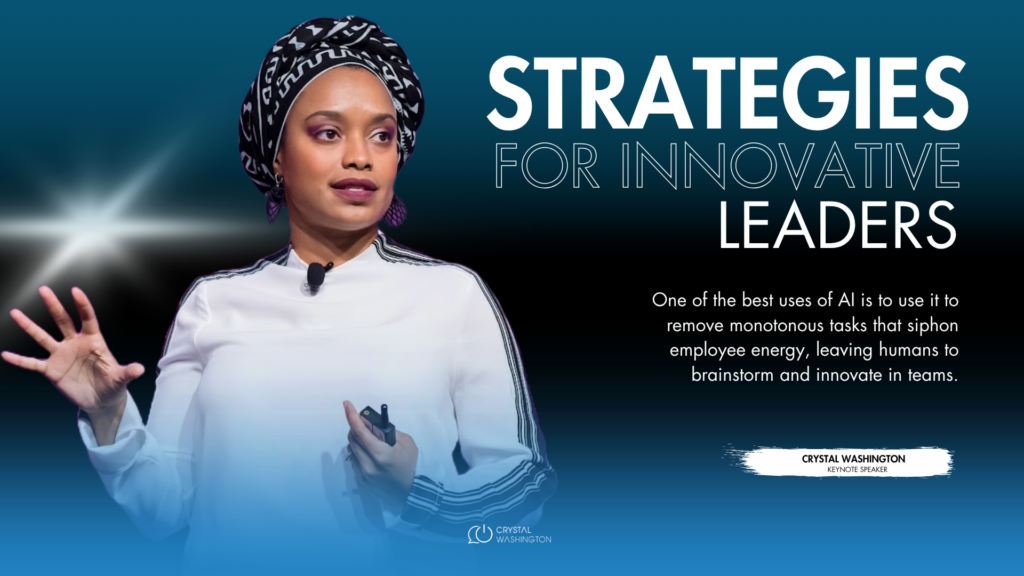

According to National University, 77% of companies are either using or exploring the use of AI in their businesses. That number lines up with something I’m watching closely: the end of the apprenticeship model. AI is increasingly performing the routine work that historically helped newer professionals develop experience, judgment, and expertise. We’re already seeing this in fields like accounting, where the entry-level analysis that once built someone’s skills is being offloaded. The question becomes: how do you train people if they’re not given the opportunity to build that initial critical-thinking muscle?
We must protect experiences that develop judgment. Just because something can be automated doesn’t mean it should be. Relationships and real-world professional development activities must remain distinctly human. That’s a business strategy decision, not just a technology strategy decision — you must be intentional about creating mentoring, practice, and cross-training opportunities, even if it means using AI itself to help fill the gaps left behind.
Institutional knowledge is becoming a strategic asset in its own right. As experienced people retire or move on, organizations risk losing relationships, context, and knowledge that were never written down anywhere. This isn’t new. Many organizations have historically worked this way, with one person holding all the connections. What’s new is that we now have the tools to capture that knowledge. Before someone transitions out, interview them. Ask them what they think the next person needs to know. Additionally, bring mentees along for relationship-building activities to pass the torch of valuable relationships.
Over time, we’ll see more organizations deploy AI agents alongside human professionals to deliver services. That’s not a reason to panic. It’s a reason to get specific about what AI should and shouldn’t own. A good AI strategy automates processes, not judgment. Technology can move information faster, but it can’t replace human oversight that catches what it gets wrong, and it cannot replace the relationships and context only a person can hold.
Team members don’t need to master every new tool overnight. You will never be caught up again, but neither will anyone else. What will create success for the future is protecting the parts of the work that build judgment, capturing knowledge before it walks out the door, and being deliberate about where AI helps and where a human still has to be in the room. That’s success for the future: not chasing every capability but being intentional about which ones you build around.